Blog
Why I Chose Bariatric Surgery (And Why I Didn't Choose Ozempic)
February 9, 2026
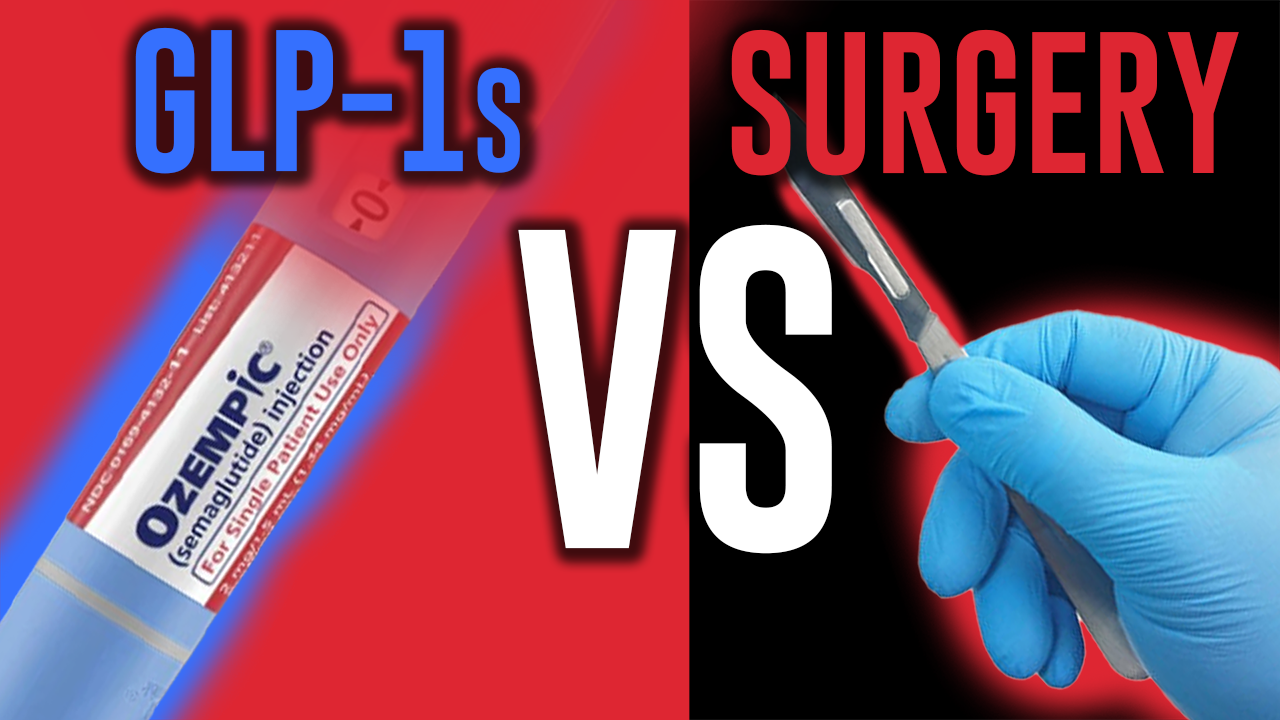
Why I Chose Bariatric Surgery (And Why I Didn't Choose Ozempic)
If you’ve been following my journey on my Youtube channel, you know that over the last year, I’ve lost nearly 200 pounds. It’s been a wild ride, and looking back at where I started—weighing over 430 pounds—it feels surreal.
One of the most common questions I get is simply: Why? Why did I choose invasive surgery when we live in the age of "miracle" weight loss injections? Why take such aggressive action?
The decision wasn't one I made lightly. It took me about 18 months of research before I finally pulled the trigger. Here is the breakdown of why I ultimately chose bariatric surgery—specifically the SADI-S—to save my health.
1. The Math Didn't Lie
When I started this process, I was morbidly obese with a BMI well over 50. I knew I needed to lose well over 200 pounds to get to a healthy weight. While the new class of GLP-1 medications like Wegovy and Zepbound are incredible technological advancements, the data shows they typically result in 15% to 20% total body weight loss.
For a guy my size, losing 15% wasn't going to cut it. I needed something more aggressive. Bariatric surgery, specifically the SADI-S or Duodenal Switch, offers patients an average of 80% to 90% excess weight loss after two years. Statistically, surgery gave me the best shot at actually reaching the finish line.
2. The Insurance Reality
This is a huge factor that we have to be honest about. I didn't have the world's best insurance at the time; I had a standard bronze plan from the marketplace. When I looked into the medications, my insurance flat-out refused to cover them. Paying out of pocket would have cost me over $1,000 a month indefinitely.
However, my plan did cover bariatric surgery. Once I paid my deductible for the year, the surgery was fully covered. From a financial standpoint, surgery was a high upfront cost (or deductible), whereas medication was a massive, never-ending monthly expense.
3. I Wanted a Permanent Tool
There is a lot of anxiety surrounding the availability of weight loss medications. I’ve read so many articles about supply shortages, and I didn't want my health to depend on whether a pharmacy had my dose in stock that week.
I also liked the idea of a "one-and-done" intervention versus being on medication for the rest of my life. I wanted to take aggressive action. I didn't mind undergoing a huge, life-altering surgery as long as it gave me the best chance for long-term success.
4. Fighting the "Yo-Yo" Cycle
I’ve lost weight before. In 2019, I lost 120 pounds through sheer willpower, diet, and exercise. But when the pandemic hit in 2020, I regained 150 pounds in about six months . That experience taught me that obesity isn't just a lack of willpower; it is a complex metabolic disease.
I chose the SADI-S (Single Anastomosis Duodeno-Ileal Bypass with Sleeve) because it combines a sleeve gastrectomy with an intestinal bypass. This causes malabsorption, meaning my body literally absorbs fewer calories from the food I eat. This is a powerful tool to fight back against the metabolic adaptation that often causes weight regain.
The Bottom Line
Surgery isn't the "easy way out." It requires a complete lifestyle change, lifelong vitamins, and a total mental shift. But for me, the risk of staying over 400 pounds was far scarier than the risk of surgery.
If you are on the fence, talk to your doctor. Look at your insurance. Don't wait 18 months like I did—your future self will thank you for starting today.
If you found this helpful, be sure to subscribe to the YouTube channel for more updates on my journey!